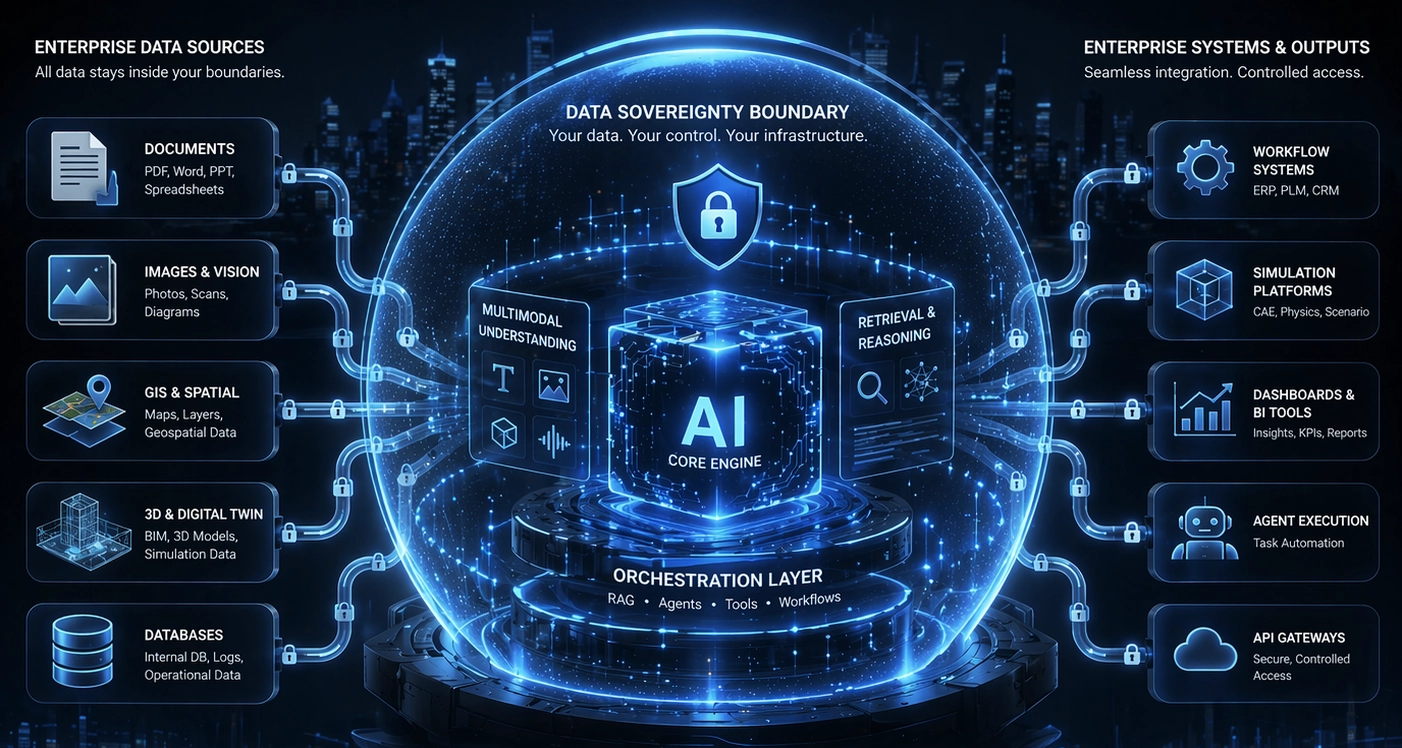
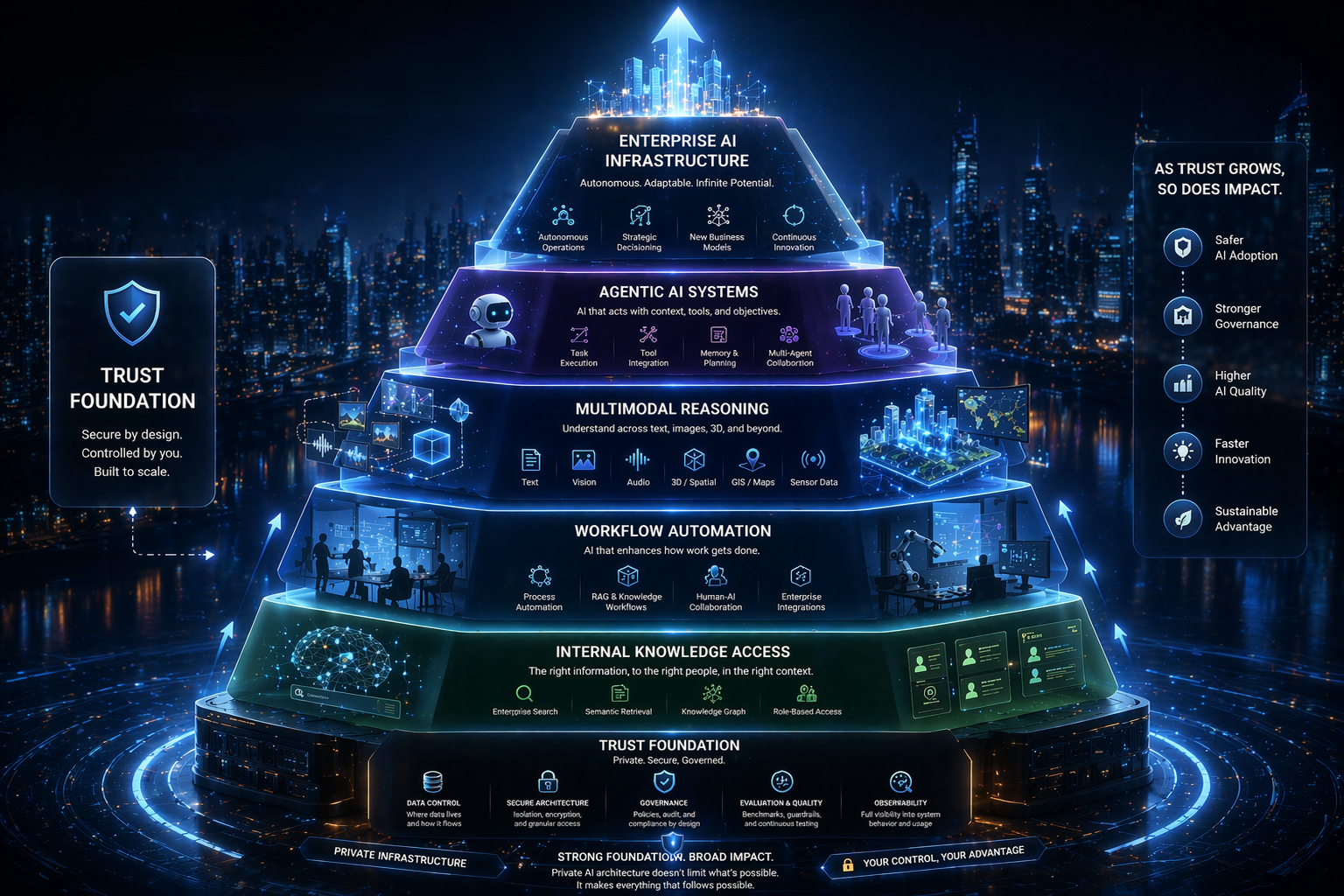
Enterprise AI adoption rarely fails because organizations lack ideas. It fails because they cannot test ideas safely at the scale and fidelity required to make deployment decisions with confidence. Real production environments are too risky to use for experimentation. Staging environments often lack the data richness of production. This gap has historically slowed enterprise AI adoption significantly. Synthetic sandboxes are beginning to close it.
A synthetic sandbox is a testing environment populated with synthetic data that mirrors the statistical properties, structure, and edge-case distribution of the real production environment without containing any sensitive or proprietary information. AI teams can run full-scale experiments in the sandbox, including stress tests, failure mode analysis, and edge-case evaluations, without any risk to production systems or real user data.
The adoption pattern enabled by synthetic sandboxes is substantially faster than traditional approaches. Instead of waiting for approval to access production data, or spending months building anonymized test datasets that inevitably lose important statistical properties, teams can configure and generate sandbox environments in days. Iteration cycles that previously took weeks can be compressed to hours. This speed advantage compounds over multiple development cycles.
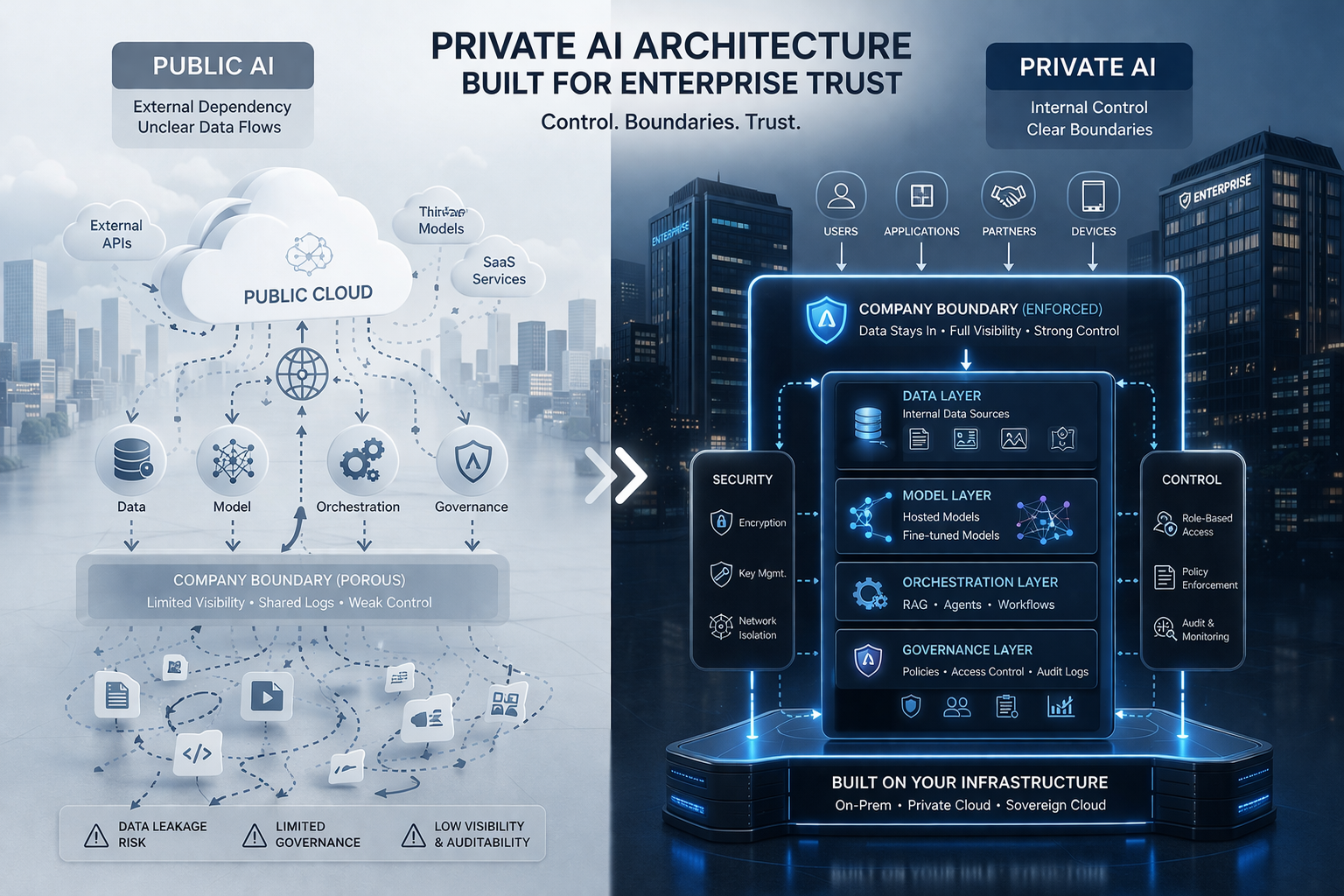
Beyond speed, synthetic sandboxes enable a category of testing that is often impossible with real data: deliberate adversarial and rare-event testing. Teams can populate sandboxes with specifically designed edge cases, failure scenarios, and unusual data distributions to evaluate how AI systems behave under conditions that real data collections rarely include. This type of testing is essential for production-grade reliability but was previously accessible only to organizations with large, well-curated real-world datasets.
The governance benefits are also substantial. Synthetic sandboxes reduce the organizational friction associated with AI experimentation because they eliminate the data access approval processes that slow down teams working with real data. Research and development teams can move faster, and the gap between an idea and an experiment narrows significantly. This is not a minor efficiency gain. It is a structural change in how quickly organizations can learn from their AI development efforts.
As enterprise AI matures, the sandbox pattern is becoming a standard expectation rather than a differentiator. Organizations that have not built synthetic sandbox capabilities are finding themselves slower to adopt new AI approaches and less able to evaluate vendors and methods at the depth required for confident deployment decisions. The organizations that have invested in these environments are compounding learning advantages that are increasingly difficult for late movers to close.