Simulation has long been valuable in specialized technical domains. Engineers used it to test designs before production. Robotics teams used it to train systems without damaging hardware. Digital twin environments used it to model physical assets and alternative states. Certain industrial and defense-adjacent workflows relied on simulation because real-world experimentation was expensive, risky, or constrained. But in 2023, something important changed. Simulation started to be discussed more broadly as part of the AI data pipeline itself.
This change happened because more organizations were suddenly trying to build systems that needed richer, safer, and more varied training conditions than real-world collection could easily provide. The market's attention may have been centered on LLMs and generative models, but beneath that surface another realization was spreading. AI systems do not become reliable only by seeing more data. They become reliable by seeing the right kinds of data—and in many cases the right kinds of data are not easily available in the real world.
This is where simulation became newly relevant. It offered a controlled environment in which teams could construct the conditions their models actually needed. That might mean rare physical events, unusual visual arrangements, variable sensor viewpoints, abnormal environment states, structured anomalies, or operational scenarios that were too dangerous or too infrequent to capture directly. In other words, simulation provided a path from controlled world-building to synthetic data generation.
That distinction matters. For many years, simulation and AI data generation were adjacent topics rather than deeply unified ones. A simulator might be used for technical validation, but not necessarily treated as a scalable data source for a wider enterprise AI strategy. In 2023, the market began to see these functions differently. If a simulated environment could produce meaningful training examples, labels, failure cases, and scenario diversity, then it was no longer just a testbed. It was part of the data supply chain.
This was especially visible in computer vision and physical AI settings. Vision models often fail because they have not seen enough meaningful variation. A defect might appear under uncommon lighting. An object might be partially hidden. A machine state might evolve in an unusual sequence. A drone or robot might encounter rare environmental turbulence or difficult navigation geometry. In many of these cases, collecting real data was difficult, expensive, or unsafe. Simulation offered a more direct path. It allowed teams to create the environments and events their systems needed to learn from, rather than hoping reality would provide them in sufficient quantity.
Another reason this shift became important in 2023 is that enterprises were becoming more aware of the long-tail problem. AI systems often perform acceptably on ordinary cases and fail on the rare but consequential ones. Those failures are often what determine whether the system is trusted. Simulation helps address this because it can generate rare scenarios deliberately and repeatedly. Instead of waiting for accidents, difficult conditions, or unusual failures to happen, teams can construct them inside a controlled world. That changes the economics of model preparation significantly.
Simulation also offered something highly valuable to enterprise teams under growing governance pressure: safety in experimentation. In many organizations, using real-world sensitive data for early development was difficult. Privacy concerns, regulatory risk, access controls, and contractual obligations made rapid experimentation harder than leadership expected. Synthetic data derived from simulation created a way to continue learning with lower direct exposure to sensitive source environments. This was particularly important in industrial, infrastructure, and regulated settings where full real-world access could not be treated casually.
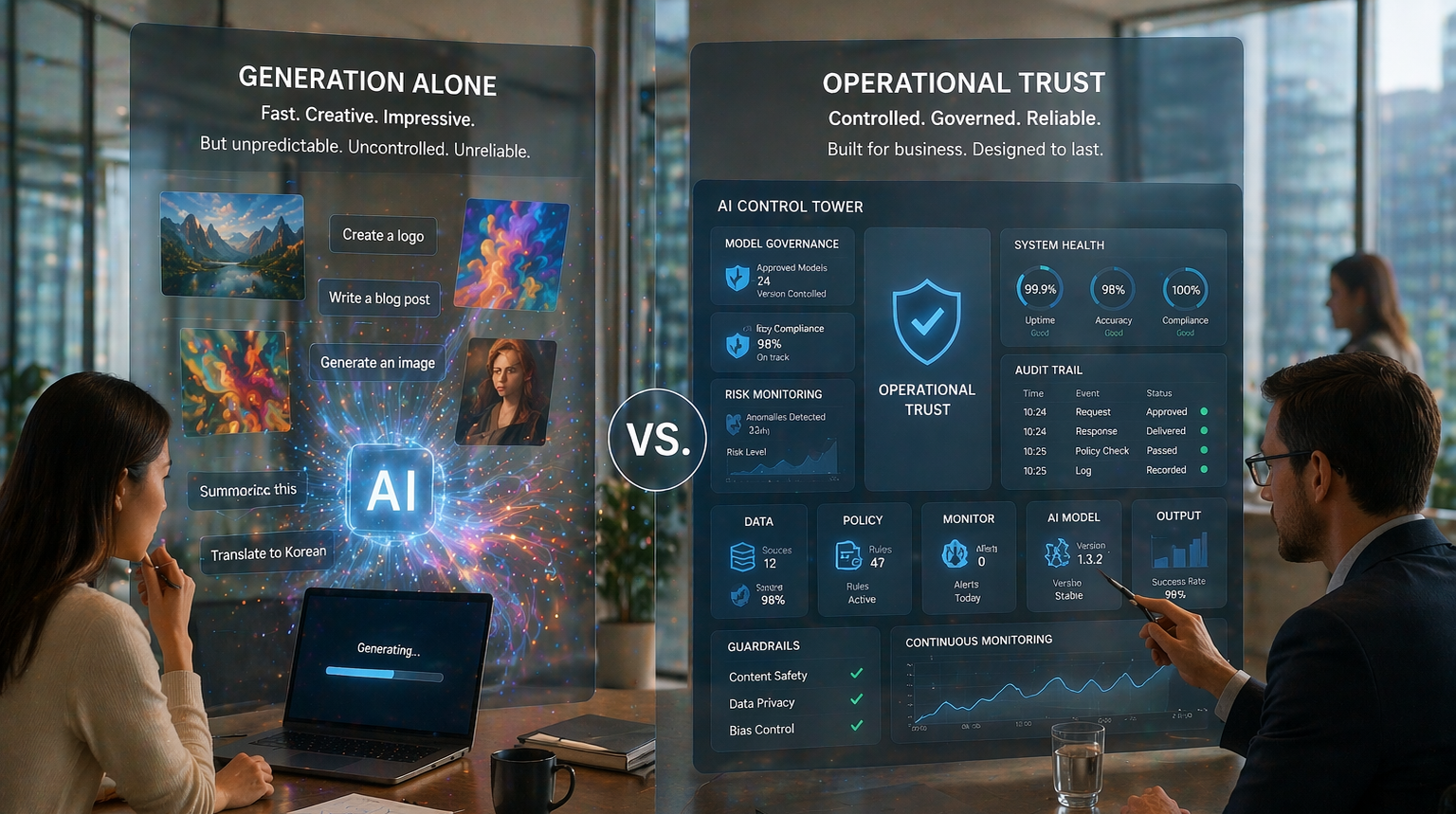
There is another subtle reason simulation became more important in 2023: it changed how teams could think about data scarcity. Without simulation, data scarcity often feels passive. The organization lacks enough examples and must wait, collect, or negotiate access. With simulation, the problem becomes more active. Teams can ask which conditions are missing, what variables matter, and what kinds of scenario design would create the most useful additional coverage. This is a fundamentally different way of thinking about training data. It turns scarcity into an engineering problem rather than a waiting problem.
This was particularly relevant for startups and companies building new AI products under time pressure. If a company needed to validate a vision workflow, train a robotics component, test a digital twin use case, or create synthetic scenarios for a spatial AI product, simulation offered a way to move faster than real-world collection alone would allow. This did not eliminate the need for real data later, but it often improved the quality of the early learning cycle.
Another advantage of simulation is repeatability. Real-world events are messy. Even when rare events occur, they may not be captured cleanly or under controlled conditions. It is often difficult to isolate the factors that produced a model failure. Simulation makes this much easier. Teams can adjust one variable at a time, reproduce scenarios, compare outputs, and build benchmark sets around specific conditions. This makes model development more systematic. Instead of learning only from the accidents of reality, teams can learn from controlled variation.
This is one reason simulation began to look like more than an engineering convenience. It started to become an intelligence design tool. When a company can define the world in which its model learns, it gains far more control over robustness, coverage, and evaluation. It can decide which risks matter, which edge cases to emphasize, and which scenarios should be used to validate readiness. In a market where many companies were still focused primarily on model access, this kind of control over learning conditions became strategically meaningful.
The connection to synthetic data is therefore deeper than it first appears. Synthetic data is not simply "fake data" generated for convenience. At its strongest, it is data created from environments intentionally designed to reflect what the AI system must understand. Simulation provides the structure for that design. It defines the geometry, conditions, variability, timing, and relationships that make the generated data useful. Without that structure, synthetic data risks becoming shallow. With it, the data can become much more operationally meaningful.
This is also why simulation fits so naturally with digital twins and 3D-based enterprise AI. A digital twin can represent an operational environment. A simulation system can vary that environment. A synthetic data workflow can extract training and evaluation cases from it. Together, these layers create a richer pipeline for building AI systems that interact with physical or semi-physical reality. In 2023, more organizations began to understand this combined logic, even if only at an early stage.
Of course, simulation is not automatically valuable. A weak simulator can generate unrealistic or misleading scenarios just as a weak synthetic data pipeline can. The value comes from how well the environment reflects the actual domain. A simulation built without operational grounding may create impressive visuals while teaching the model the wrong lessons. This is why domain expertise remains essential. Simulation becomes strategically powerful only when the world it creates reflects the world the AI system will eventually face.
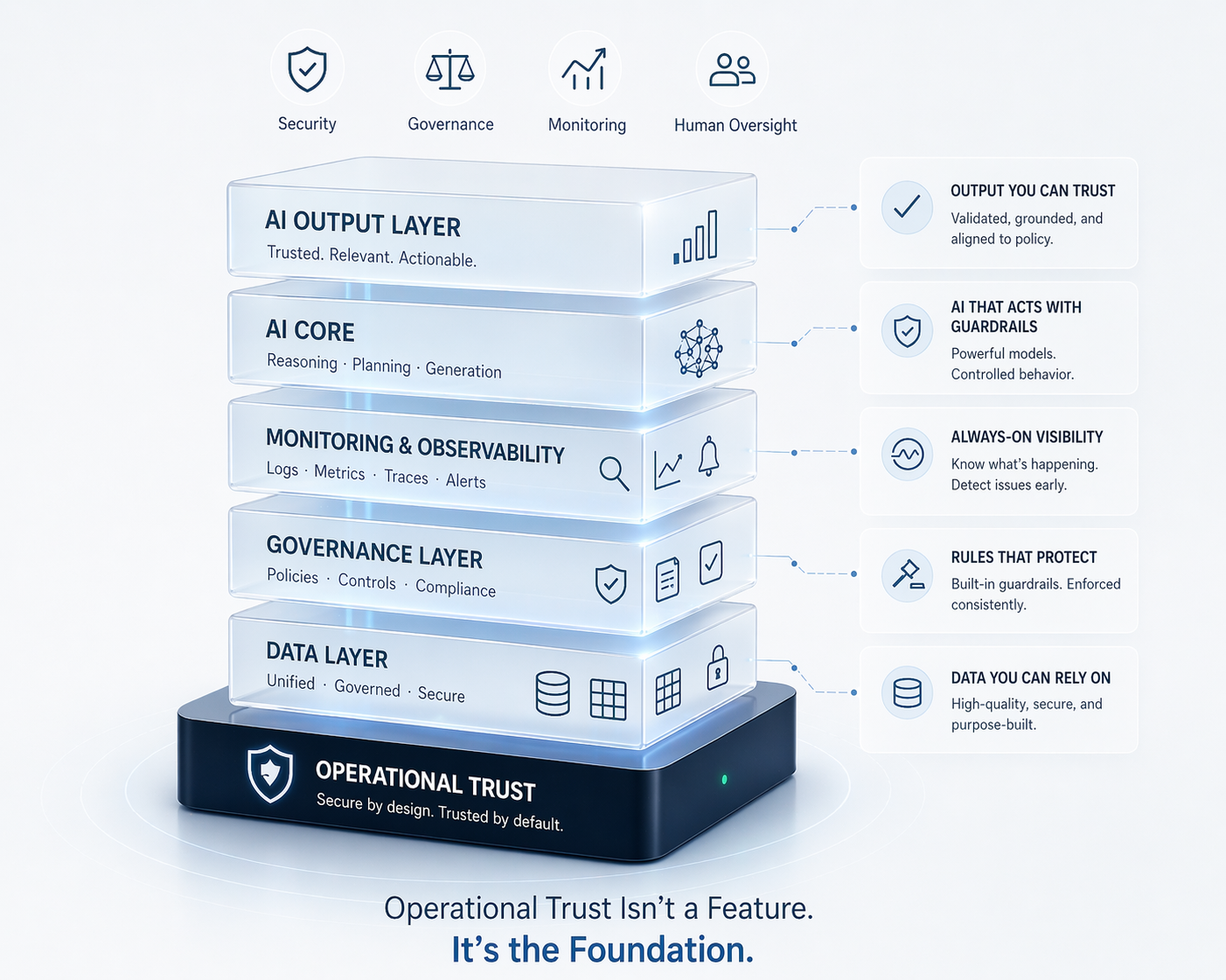
Another benefit that became clearer in 2023 is collaboration. Simulated environments give product teams, domain experts, data teams, and AI researchers something concrete to reason about together. Instead of discussing abstract requirements, they can talk about actual scenarios, environment states, failure cases, and conditions the system must handle. This makes it easier to align around what the AI is truly supposed to learn. In many organizations, that alignment itself is one of the hardest parts of building a strong data strategy.
From a business perspective, this made simulation newly relevant not only for technical teams, but for strategic planning. It became a way to reduce time-to-learning, lower some forms of real-world exposure, and support AI readiness in domains where data collection alone could not move fast enough. In that sense, simulation was no longer just part of engineering validation. It was becoming part of enterprise data architecture.
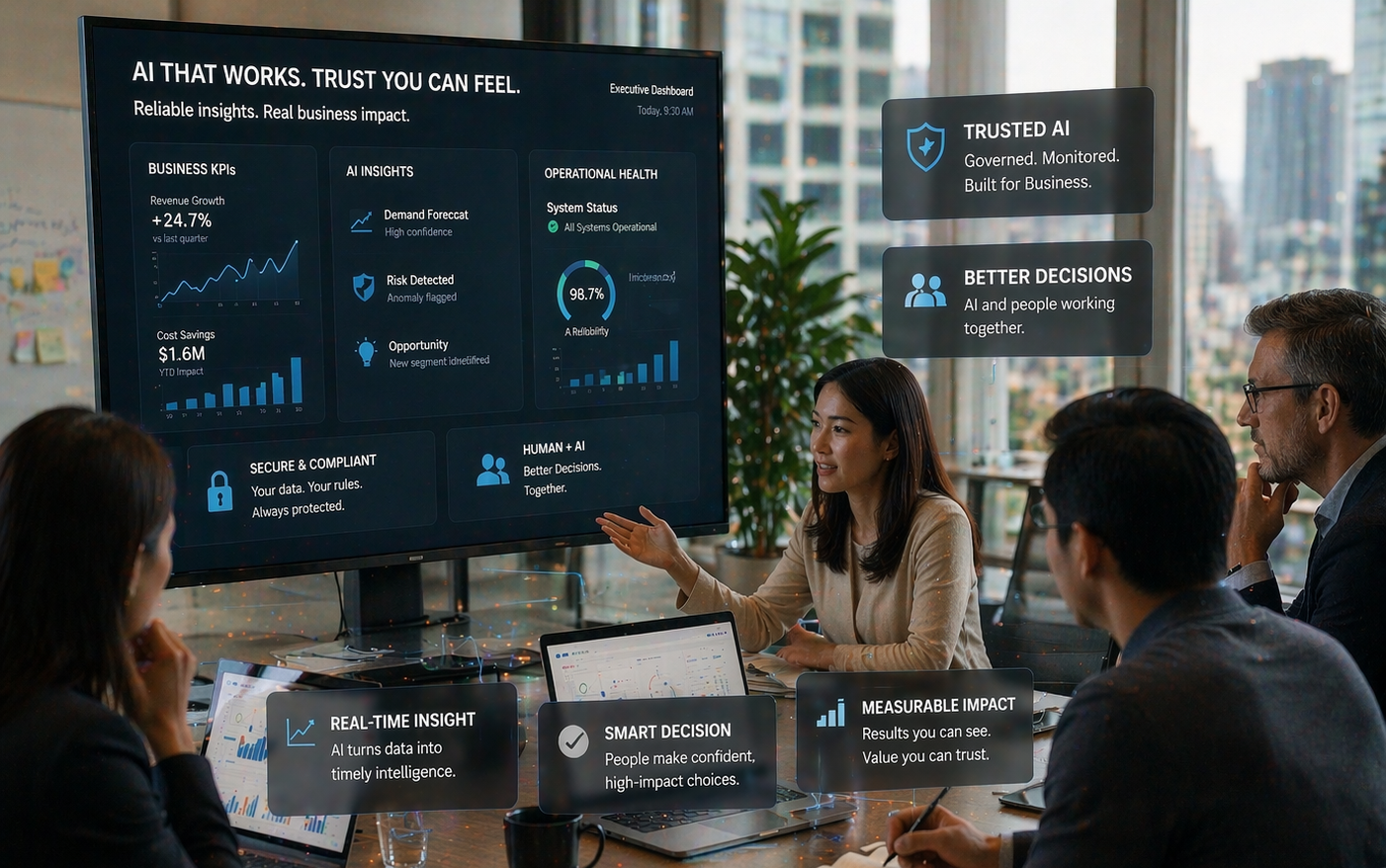
Ultimately, 2023 helped reveal a broader principle: the future of AI training would not depend only on better models or larger corpora. It would also depend on better worlds—better environments in which models could be exposed to the realities, variations, and risks that mattered most. Simulation is one of the clearest ways to create those worlds.
That is why 2023 marked an important transition from simulation as a specialized technical tool toward simulation as a practical foundation for synthetic data. It gave organizations a new path for training AI systems: not by waiting passively for reality to deliver every important case, but by building the conditions under which learning could become more intentional, more robust, and more useful from the start.
