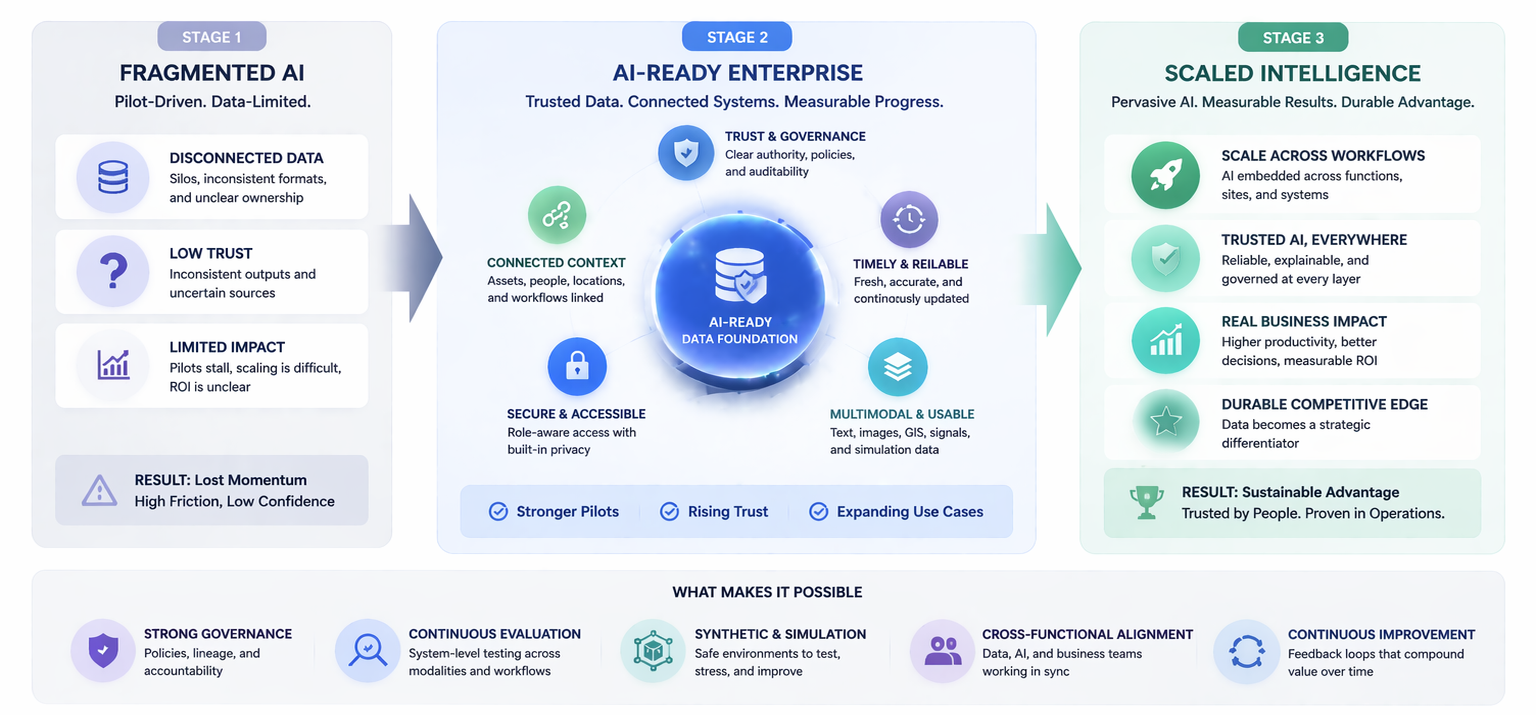
Enterprise AI adoption often begins in an organized way. A leadership team approves a pilot. Security or IT defines initial boundaries. But once employees begin discovering how useful AI can be, adoption frequently spreads faster than formal governance can keep up. This is where Shadow AI begins.
Shadow AI refers to the use of AI tools, agents, models, or automated workflows outside the organization's approved governance structure. In 2026, that interpretation is becoming too weak. The reason is that Shadow AI is not just about unauthorized tool usage. It is about the uncontrolled movement of enterprise knowledge into systems that the organization does not fully understand.
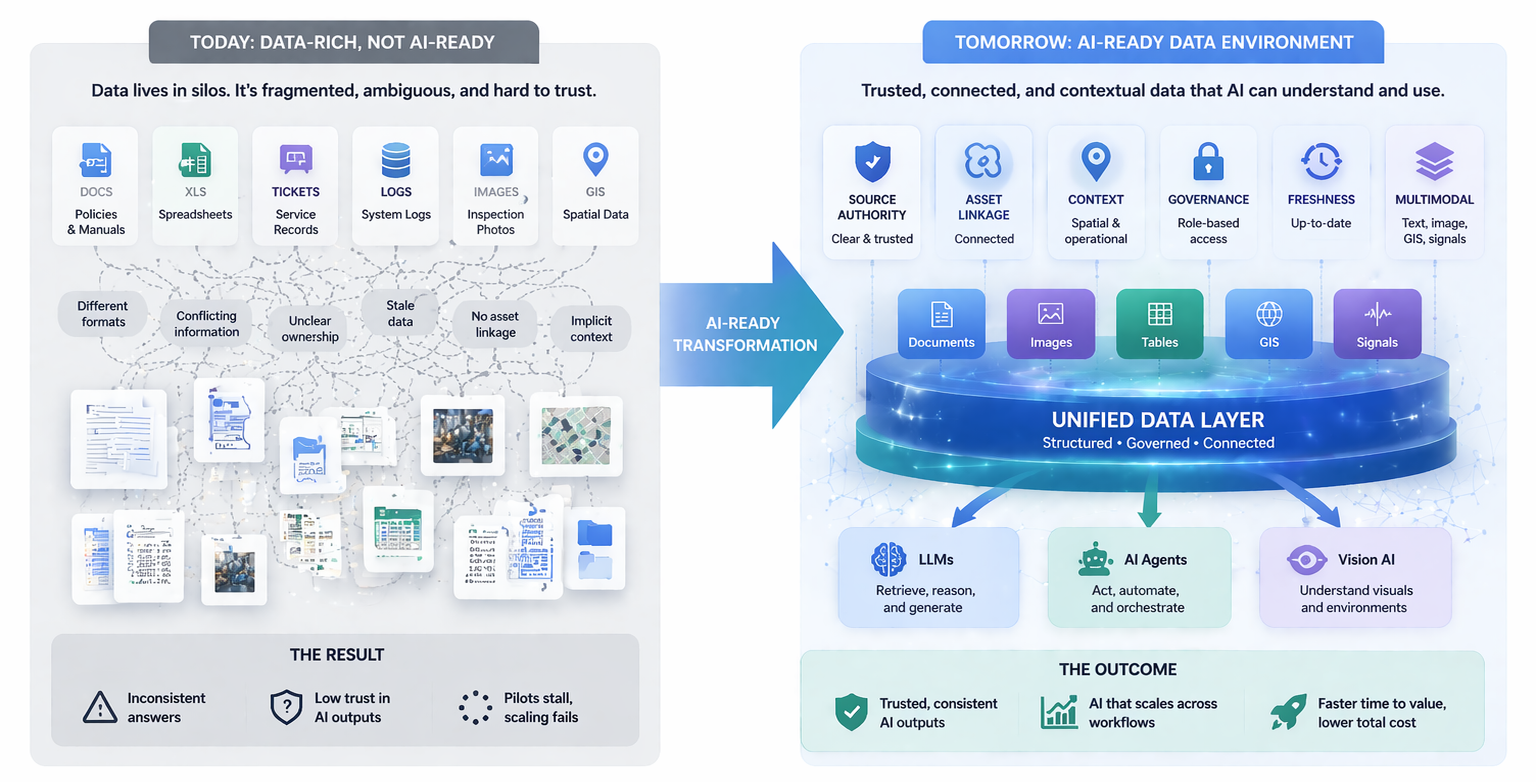
This is especially dangerous because Shadow AI often grows from good intentions. Employees usually do not adopt unofficial AI tools because they want to undermine governance. They adopt them because the tools help them move faster.
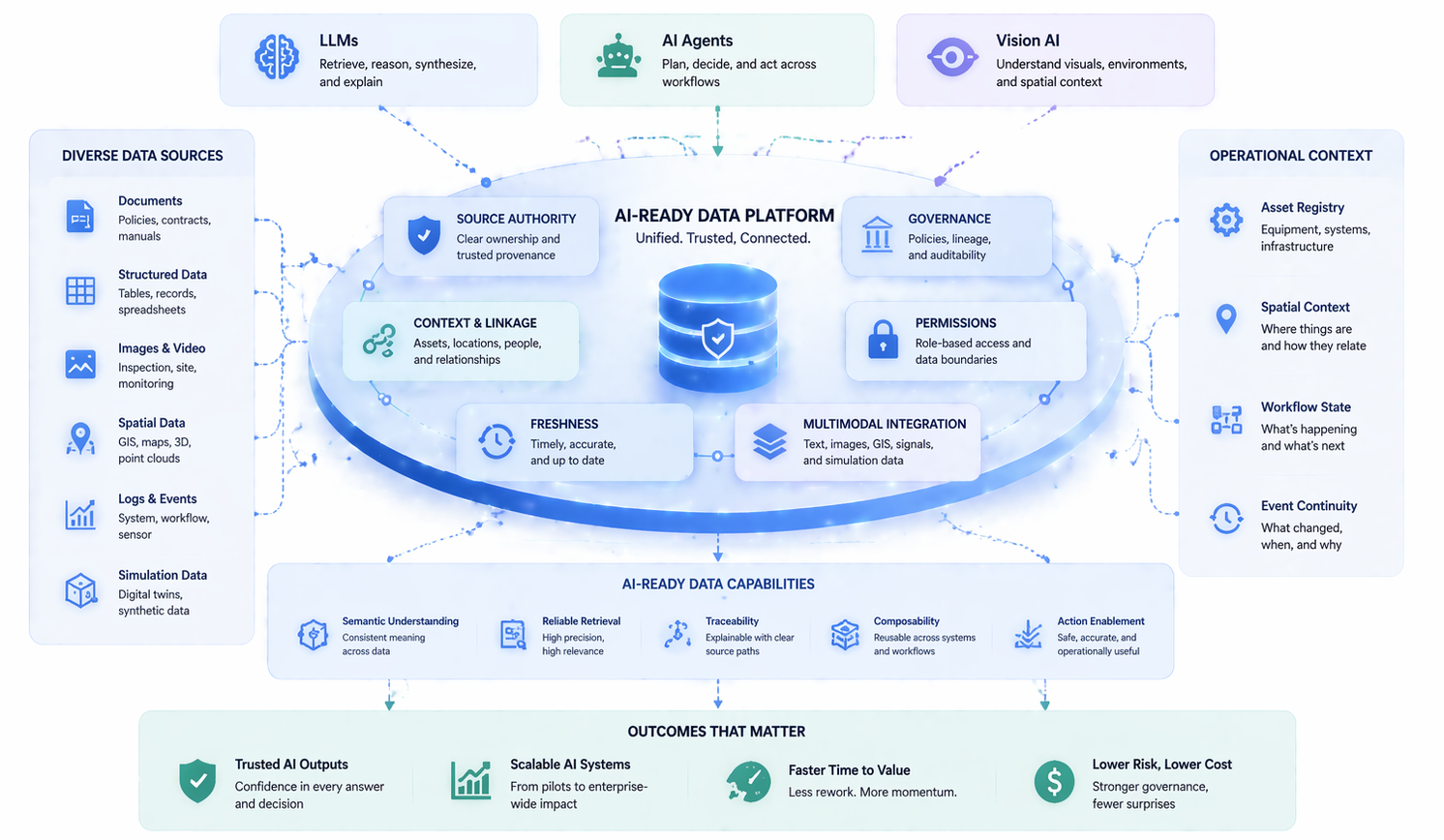
One of the first risks is information leakage. Another major risk is hidden workflow dependency. Once teams start using unapproved AI systems in their real work, processes begin changing quietly.