For much of the recent AI cycle, enterprises could still treat architecture decisions as relatively flexible. A public API might be enough for early experimentation. But by 2026, the center of gravity is shifting. More organizations are beginning to see private AI architecture not as a niche or highly conservative option, but as a foundational element of trust.
Private AI architecture here should be understood broadly: architectures in which the enterprise retains meaningful control over its data flows, retrieval environments, orchestration logic, evaluation assets, identity boundaries, and often some part of the model-serving stack.
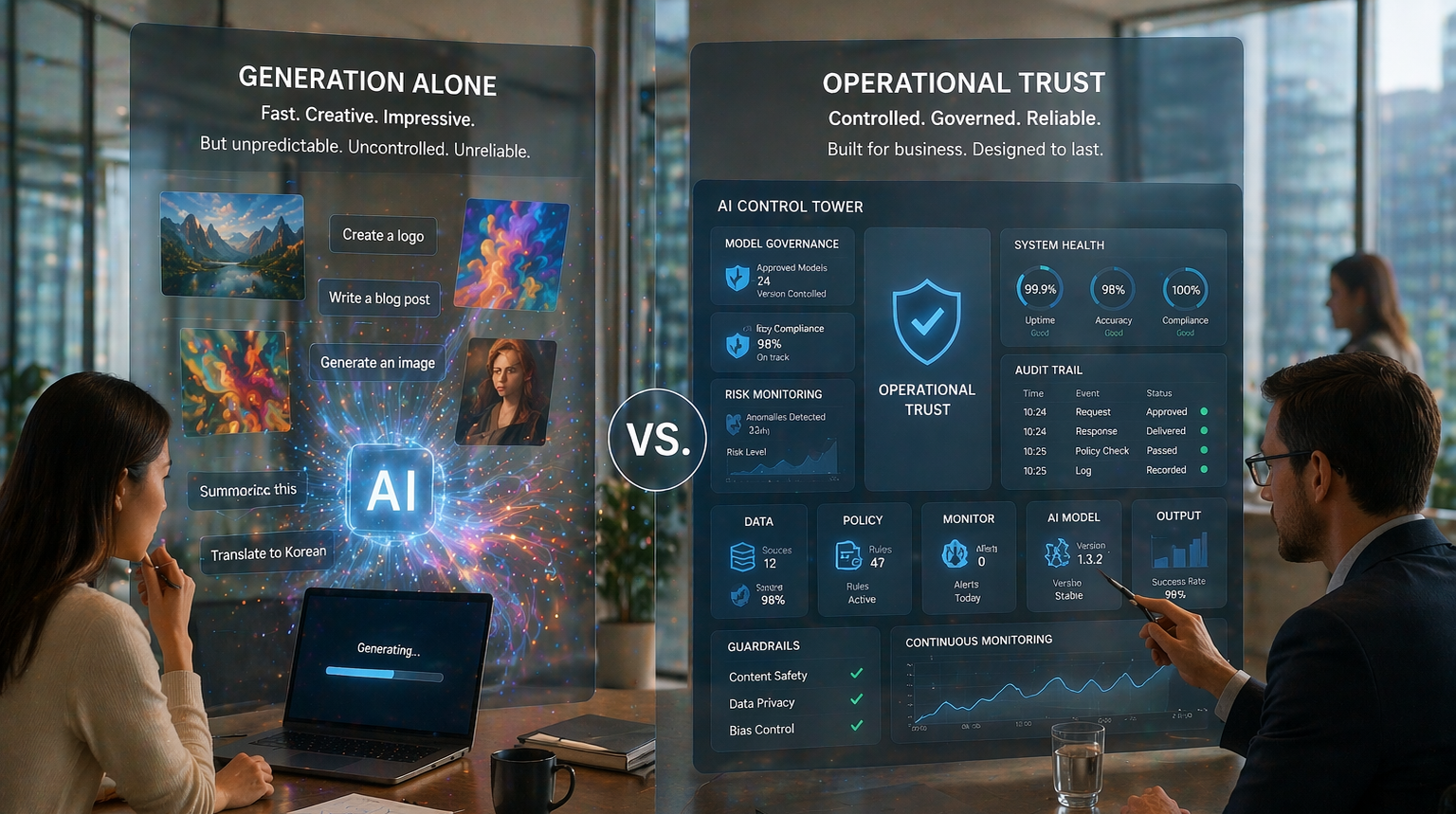
This matters because enterprise AI is no longer only about asking models interesting questions. It increasingly involves internal knowledge access, workflow participation, sensitive scenario evaluation, digital twin reasoning, multimodal retrieval, and in some cases agentic task execution.
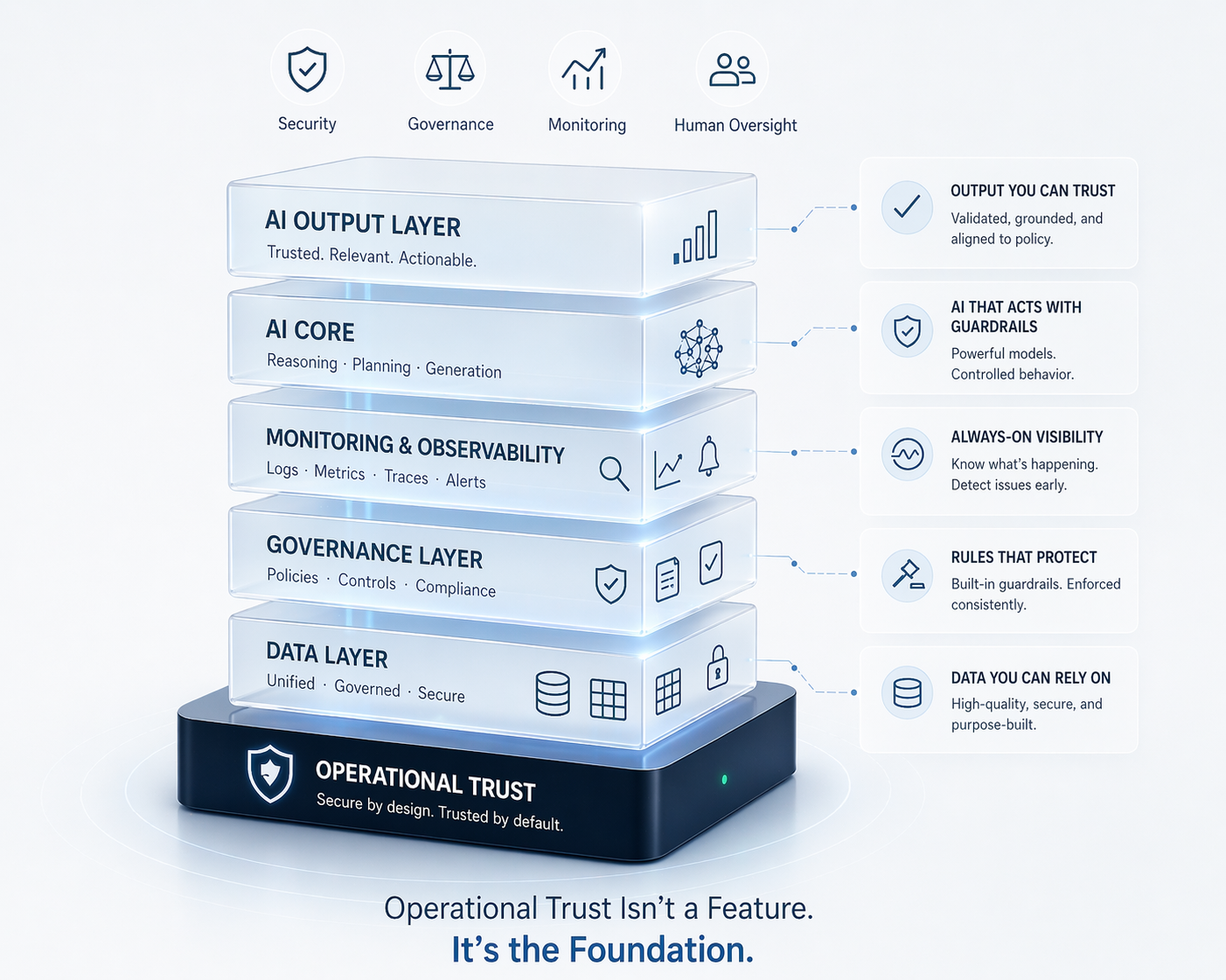
One of the strongest reasons private architecture is gaining importance is data sensitivity. A model does not simply store the data. It may retrieve, summarize, recombine, infer, and operationalize it.