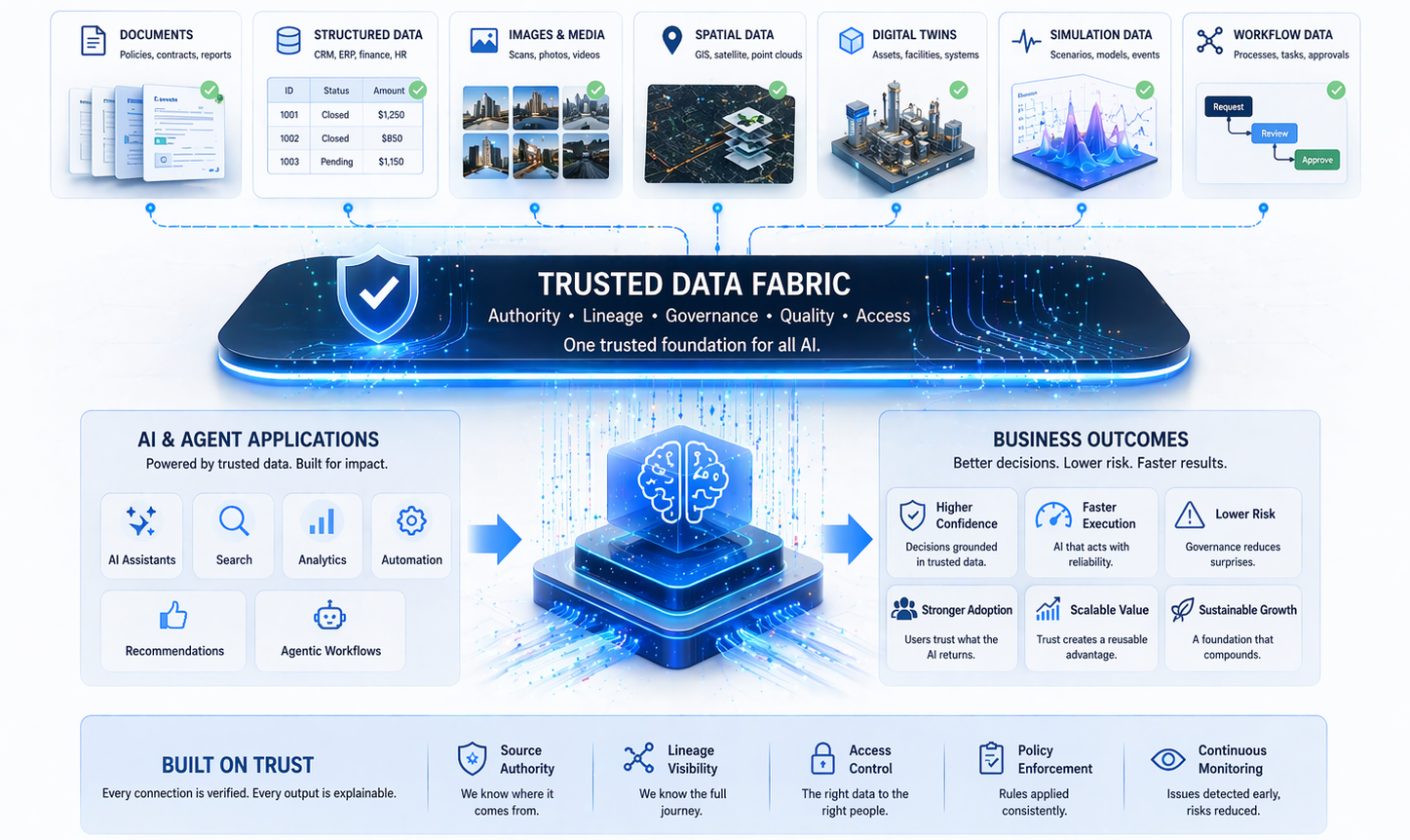
For the past few years, enterprise AI has largely been defined by horizontal capability. Companies deployed copilots, internal assistants, document Q&A systems, summarization tools, and workflow automation layers designed to serve broad organizational needs. These systems created value, but they also exposed an important limitation. Generic intelligence, no matter how strong the model may be, often struggles to fit the cultural, operational, and role-specific realities of an enterprise. In 2026, that limitation is becoming more visible—and this is exactly why Persona AI is starting to matter.
Persona AI should not be misunderstood as a cosmetic chatbot feature or a character-based interface gimmick. In an enterprise context, Persona AI means something much more strategic. It refers to AI systems whose behavior, reasoning style, tone, access boundary, risk posture, and task interpretation are shaped around a defined role or operational identity.
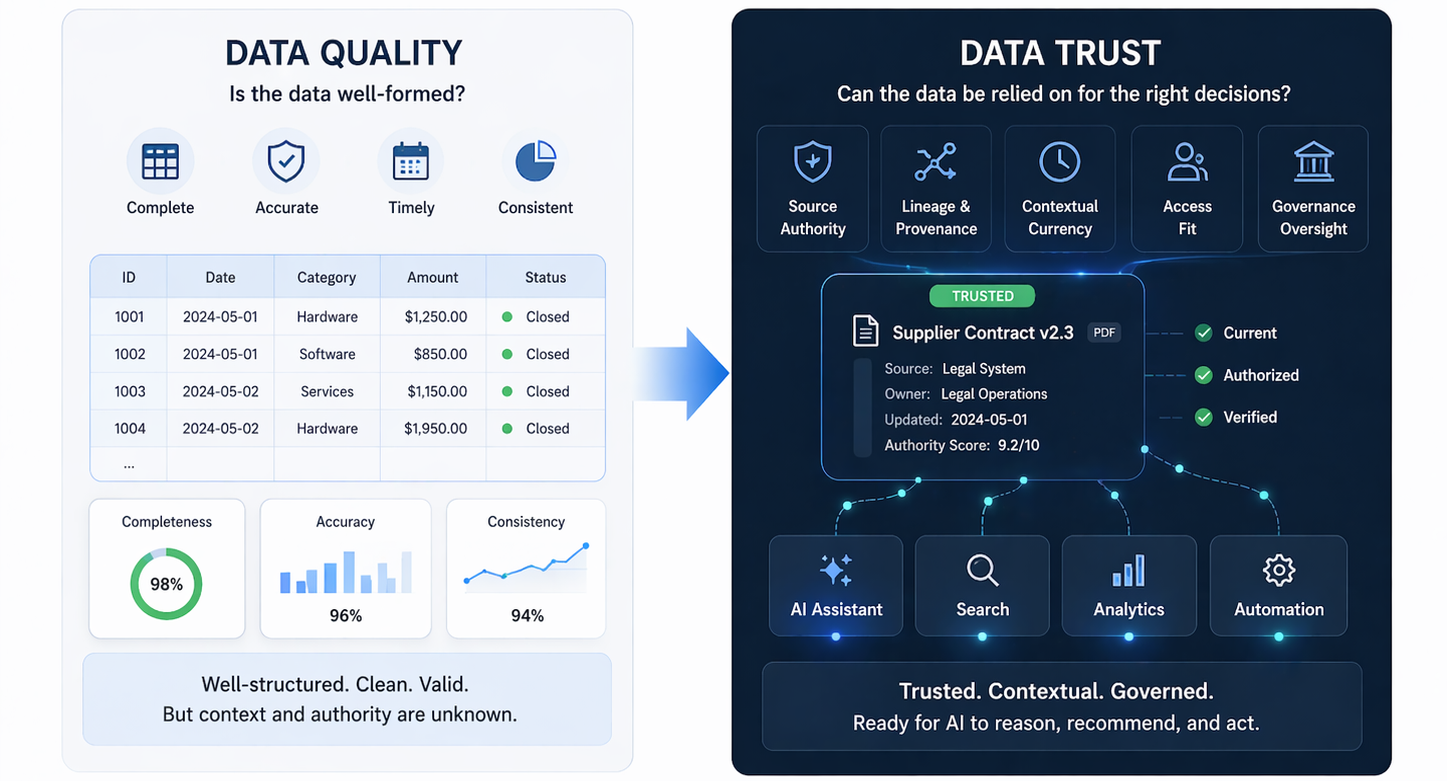
This is important because real enterprises do not operate through one generic decision style. A compliance officer, a customer success lead, a logistics planner, a field engineer, a CFO analyst, and a security architect all work with different forms of authority, different tolerance for risk, different document hierarchies, and different expectations for what a useful answer should look like.
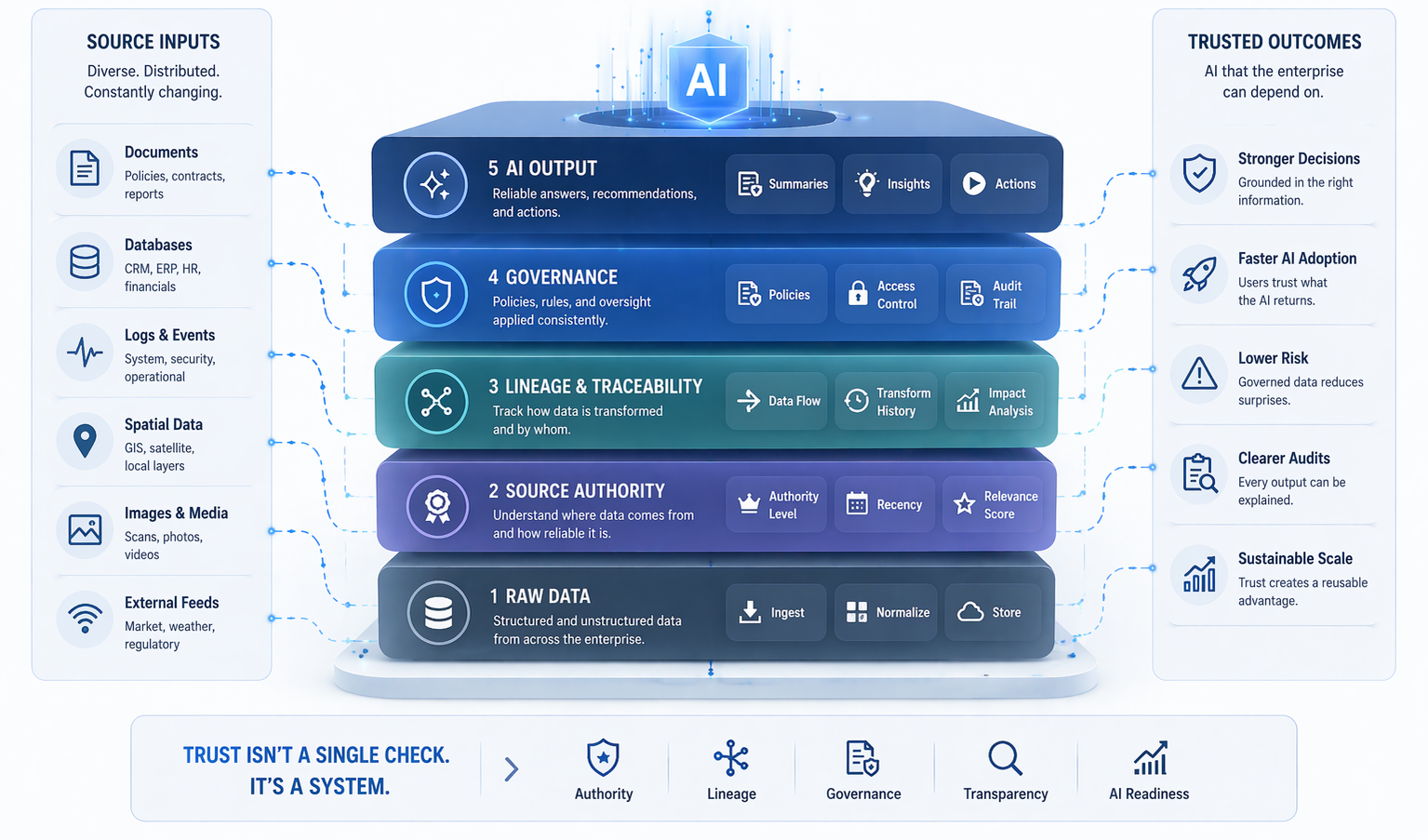
This is where Persona AI becomes more than interface customization. It becomes a governance and trust layer. A well-designed persona does not simply change tone. It changes what the system prioritizes, what sources it trusts, how cautious it is, when it escalates, what it is permitted to suggest, and how it explains uncertainty.