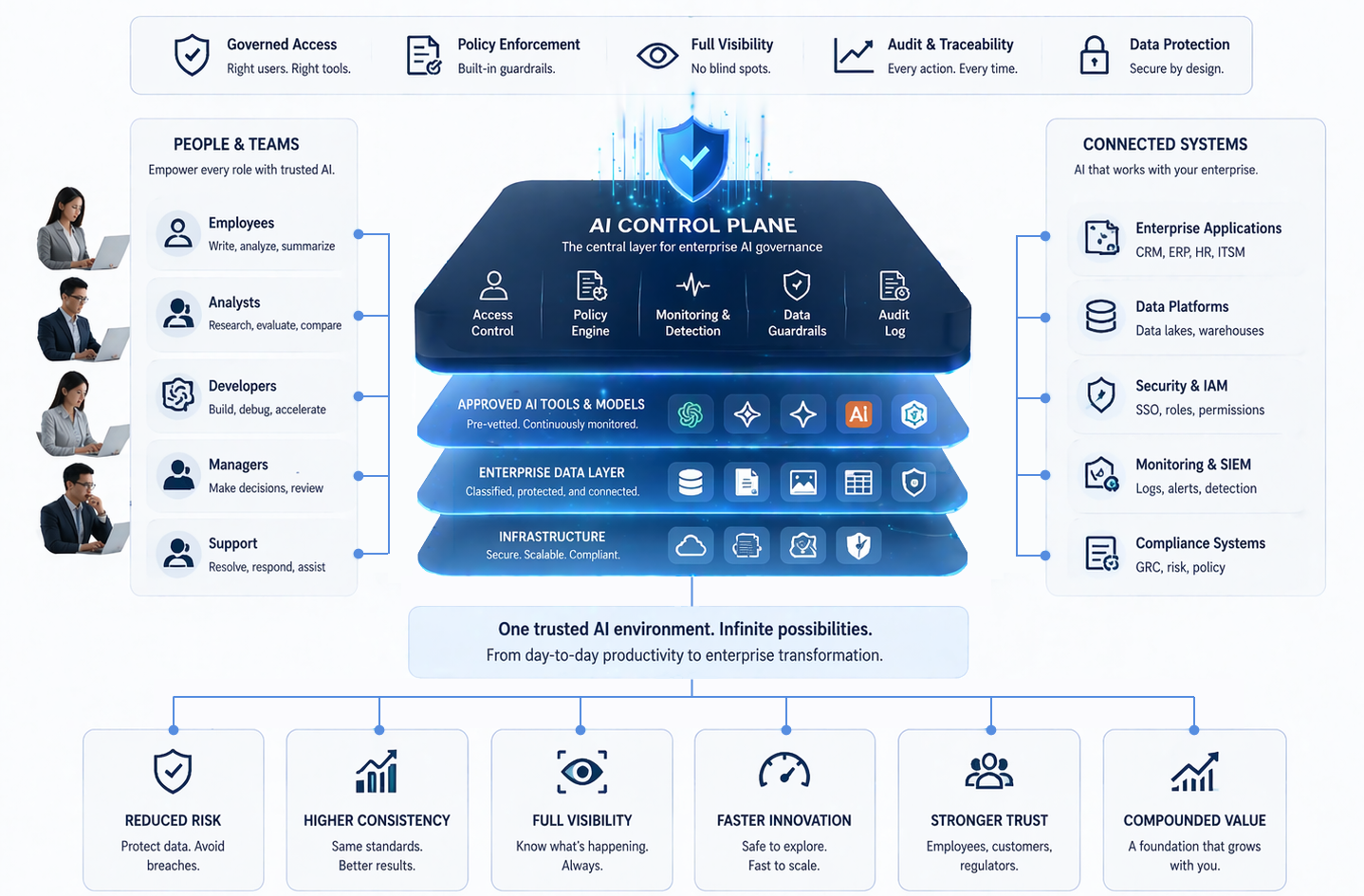
The enterprise artificial intelligence landscape has reached a critical inflection point in 2026. The initial wave of experimental Generative AI pilot programs has passed, and multinational corporations are now integrating AI deeply into their core operational infrastructures. With this maturity comes a profound shift in priorities. Chief Information Security Officers (CISOs) and enterprise compliance boards are no longer asking, 'Can this AI model perform the task?' Instead, they are asking, 'Is the pipeline feeding this AI secure, and is the vendor providing it operating sustainably?'
In the high-stakes realm of B2B AI software and SaaS platforms, trust is the ultimate currency. An AI model is only as safe and reliable as the data used to train it, and the data is only as secure as the infrastructure that generates and houses it. To meet the uncompromising demands of enterprise integration, data vendors must move beyond self-proclaimed security measures and submit to rigorous, globally recognized frameworks.
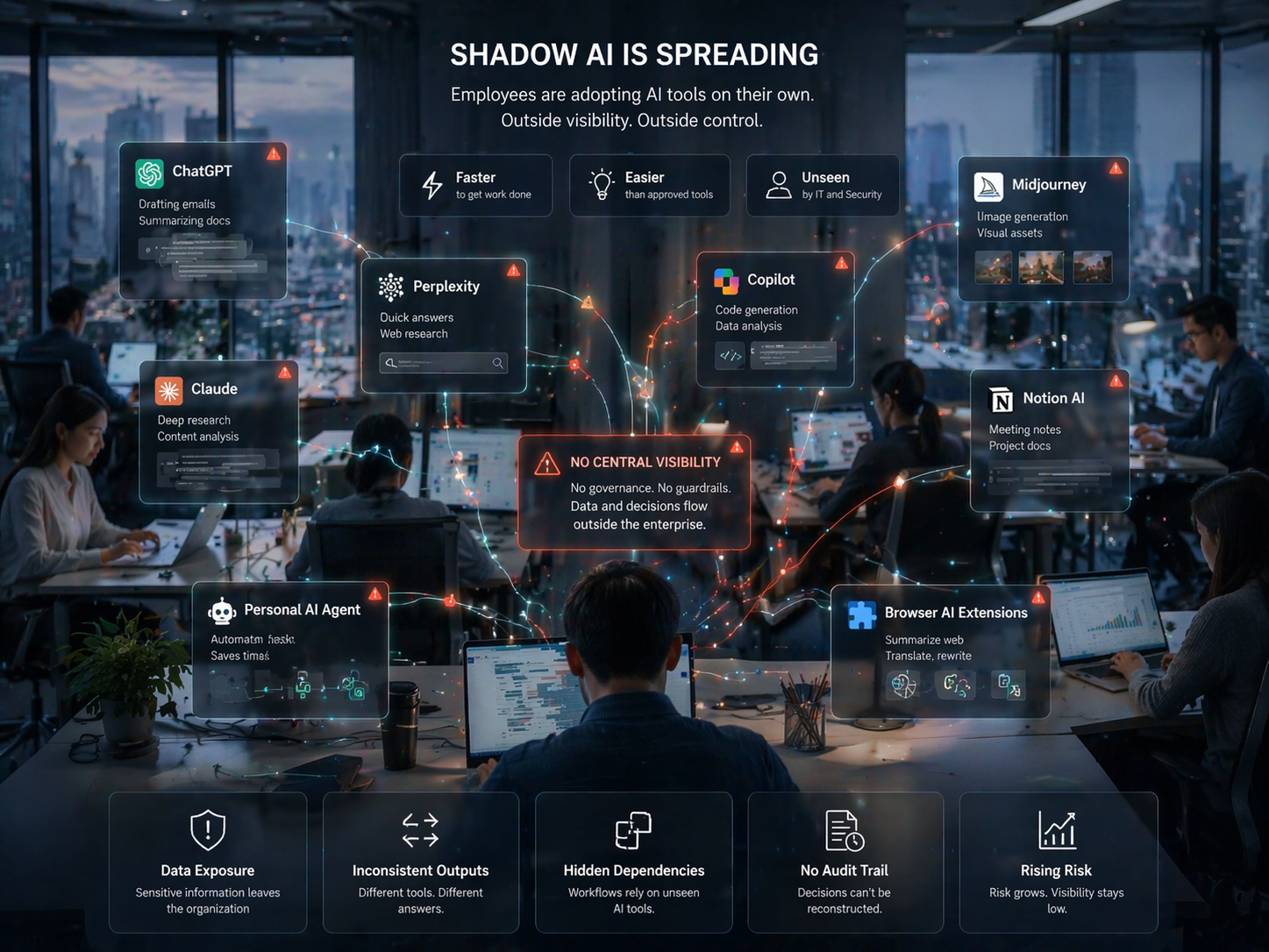
When an enterprise utilizes a synthetic data platform to train a proprietary LLM or an autonomous vision model, they are dealing with highly sensitive operational logic. The parameters, edge cases, and specific environmental variables they choose to simulate often reveal their most closely guarded trade secrets and strategic product roadmaps. If a platform lacks ironclad security, this intellectual property is at severe risk of exposure, data breaches, or cross-contamination in multi-tenant cloud environments.
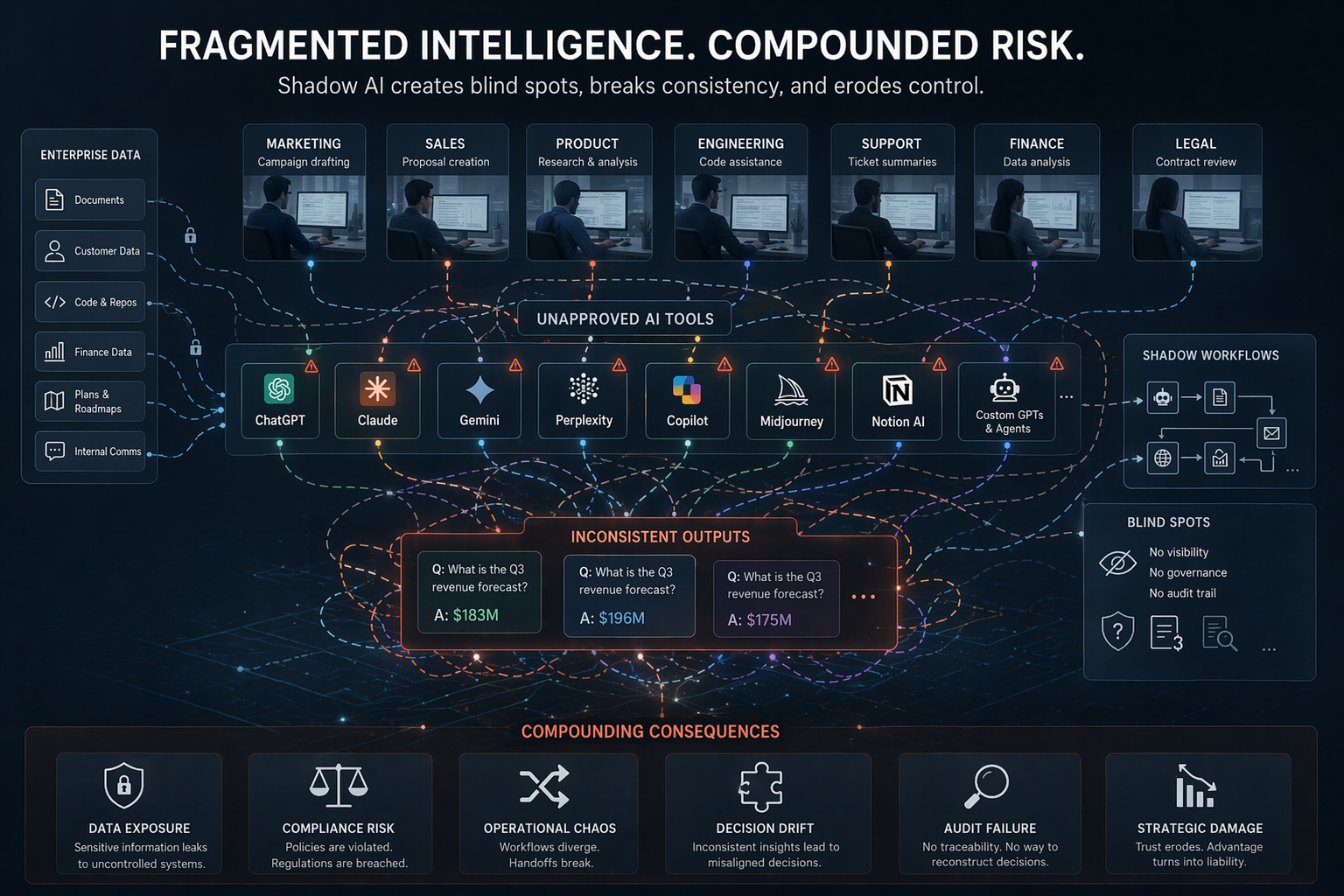
This is why ISO 27001 (Information Security Management System) certification is no longer a nice-to-have for AI platforms—it is an absolute baseline requirement. Alongside the absolute necessity of data security, the modern enterprise vendor faces intense scrutiny regarding its environmental footprint. This brings us to the critical importance of ISO 14001 (Environmental Management System).