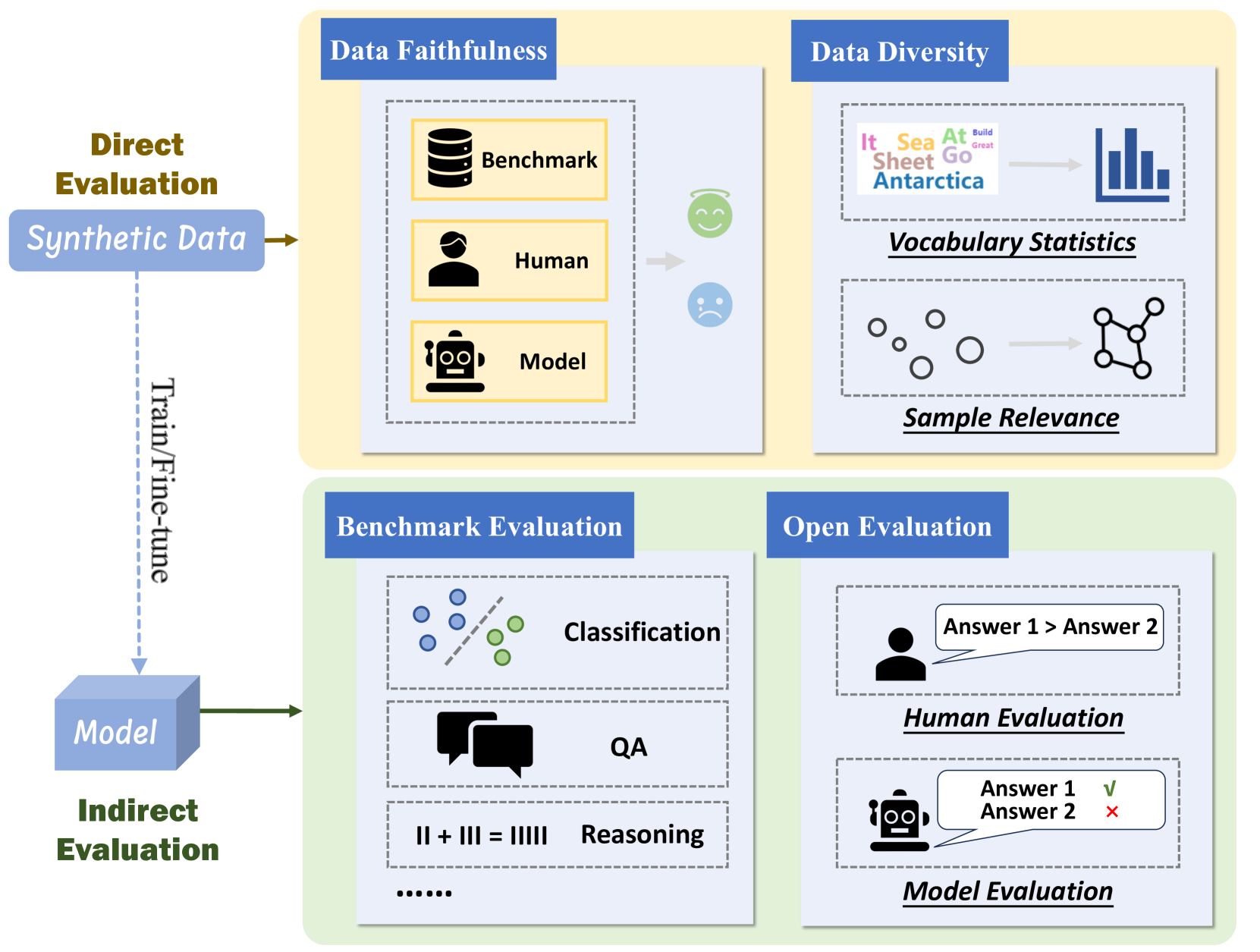
For many organizations, AI development still begins with a familiar instinct: select a model, prepare data, train or fine-tune, deploy, and then evaluate whether it works. This sequence seems logical, but it consistently produces a specific type of failure. Teams reach deployment and discover that they cannot confidently measure whether the system is actually performing well under real conditions, because the evaluation framework was not designed with those conditions in mind.
Evaluation-first design reverses this sequence. It begins by defining what success looks like in the deployment environment before model development begins. What scenarios must the system handle correctly? What failure modes are unacceptable? What user behaviors will the system encounter? What edge cases define the boundary of acceptable performance? These questions, answered before a single training run, shape every subsequent decision in the development process — and make the final evaluation meaningful rather than aspirational.
The competitive advantage this creates is compounding. Organizations that evaluate well learn faster. Each deployment cycle produces structured, scenario-aligned feedback that directly informs the next iteration. Teams that cannot evaluate well produce models that either fail in unexpected ways at deployment or require expensive post-deployment debugging to understand what went wrong. The learning cycle is slower, the debugging cost is higher, and the deployment confidence is lower.
Evaluation-first design also changes how data is collected and prepared. When evaluation requirements are defined upfront, data collection can be targeted at scenarios that matter for evaluation as well as training. This produces richer, more balanced datasets because the team knows in advance what coverage the evaluation will require. The alternative — building evaluation sets from whatever data happens to be available after training — consistently produces evaluation gaps that obscure real-world performance problems.
The investment required for evaluation-first design is primarily intellectual rather than financial. It requires teams to spend time upfront thinking rigorously about deployment conditions before they begin model development. That shift in sequencing is culturally difficult in organizations where the incentive is to move quickly from data to model to demo. But organizations that have made this cultural shift consistently report higher confidence in deployment decisions, lower incident rates in production, and faster iteration cycles when problems are discovered.
As AI systems become more consequential in enterprise operations, the ability to evaluate reliably under real conditions is becoming a non-negotiable capability. Evaluation-first design is not a methodology for cautious organizations. It is the approach that allows confident organizations to move fast without generating the kind of silent failures that are far more costly to remediate after deployment than before.