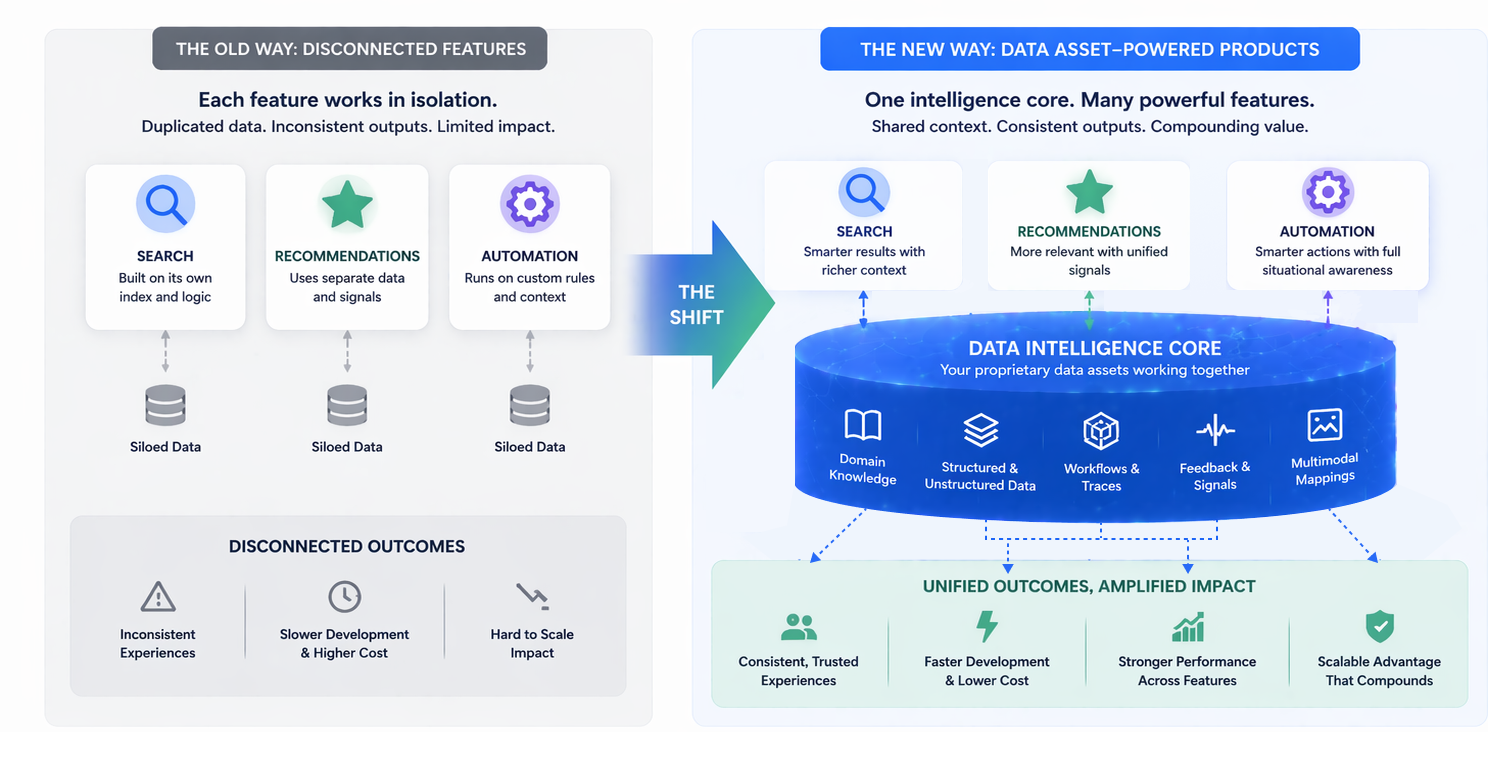
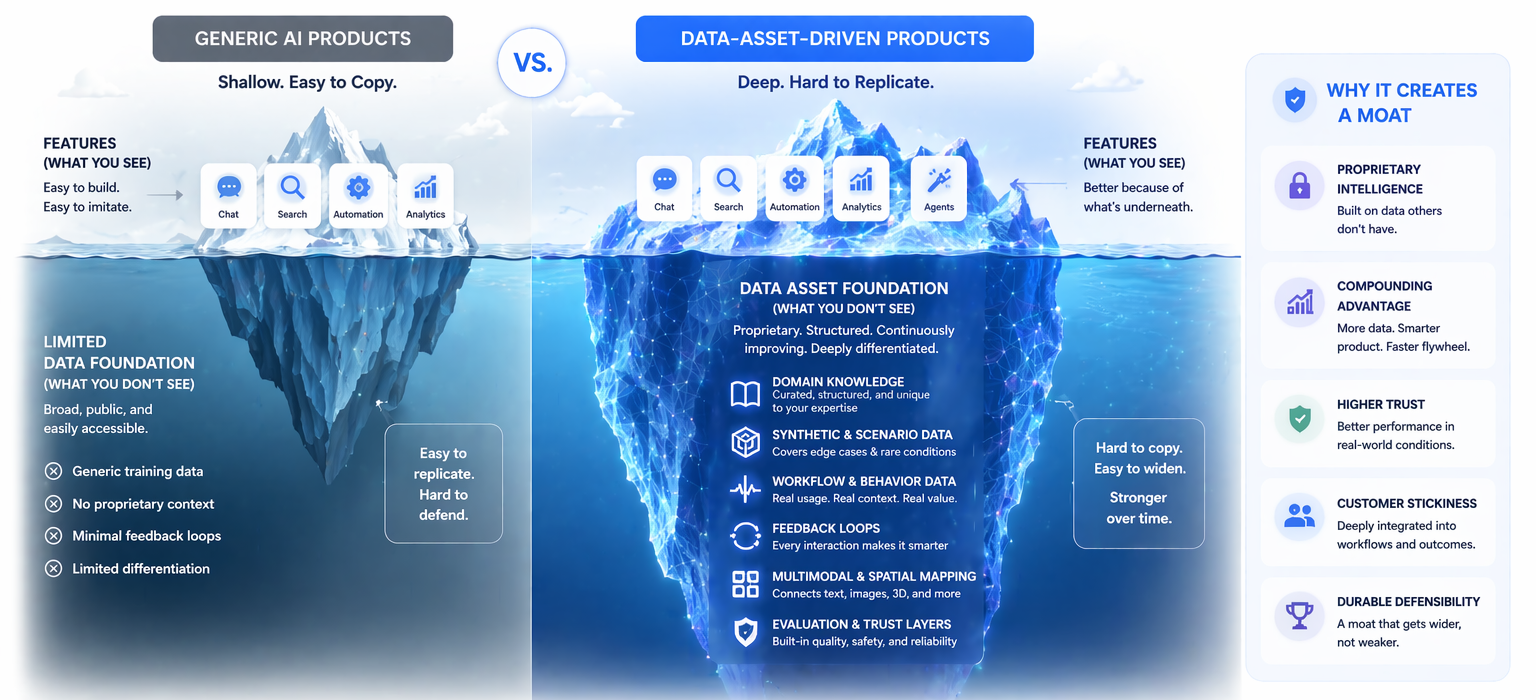
One of the most consequential changes in enterprise AI is the shift from response generation to workflow execution. When AI was primarily a question-answering layer, data structure mattered mostly for retrieval quality. Now that AI agents are executing multi-step business workflows, data structure shapes the quality of automation in much more direct and consequential ways.
An agent executing a workflow must make decisions at each step based on available data. If the data at any step is ambiguous, inconsistent, or poorly structured, the agent either makes a wrong decision, requests human clarification, or halts entirely. In a workflow with ten steps, poor data structure at even two or three steps creates an automation that requires frequent human intervention, defeating much of the purpose of using an agent in the first place.
This creates a design imperative that many enterprise AI teams are only beginning to recognize: agentic workflow design cannot be separated from data structure design. The two must be co-developed. Before an agent is configured to execute a workflow, the data it will encounter at each decision point must be audited for clarity, consistency, and structure. Gaps in data quality that a human could bridge with contextual judgment must be addressed before an agent can handle them reliably.
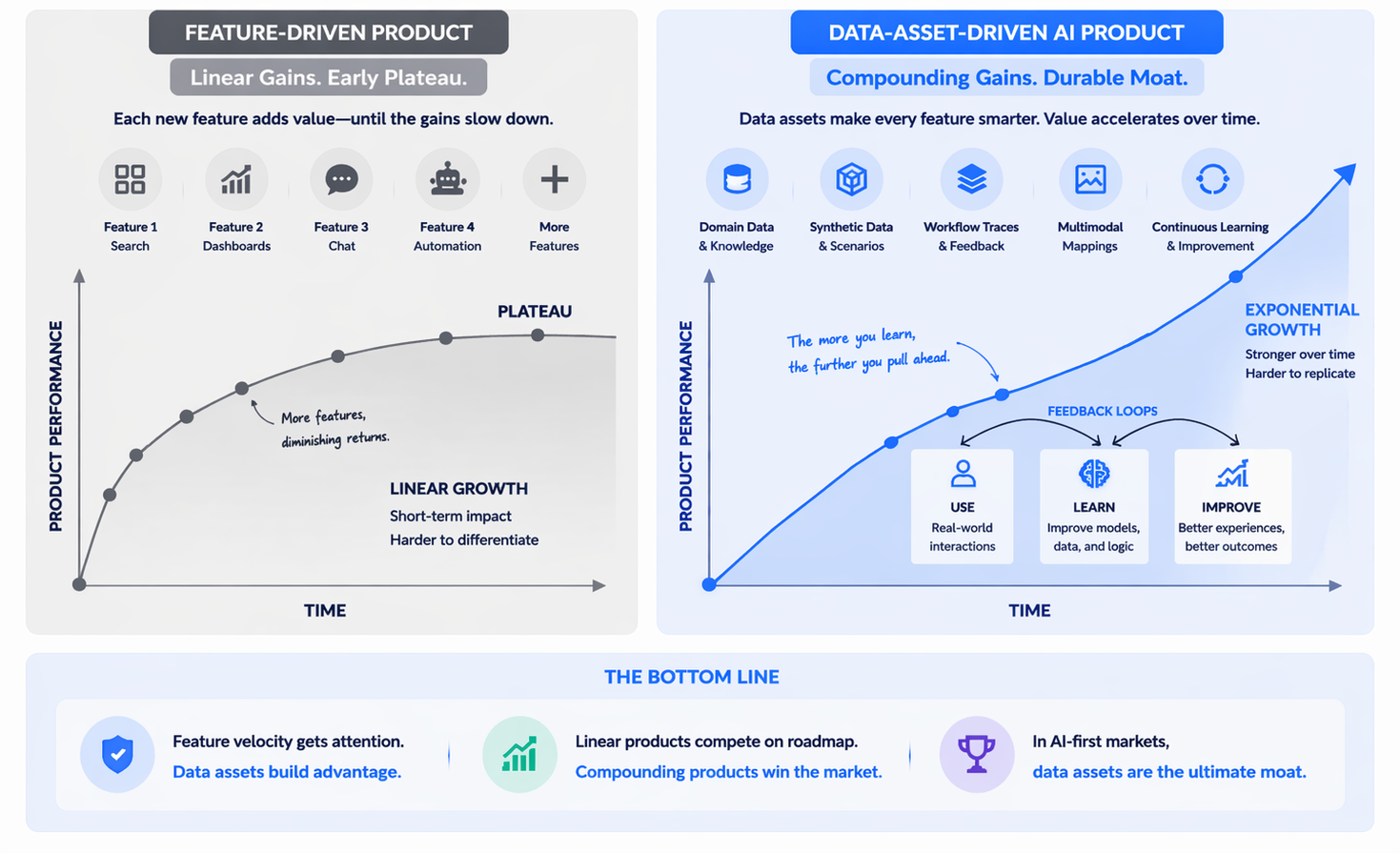
Organizations that have approached agent deployment with this co-design discipline report substantially better automation reliability. They spend more time upfront mapping data quality requirements at each workflow step, but they spend dramatically less time debugging agent failures after deployment. The upfront investment pays off in lower intervention rates and higher trust in autonomous execution.
The practical implication is that agent deployment readiness assessments should explicitly evaluate data structure quality at each workflow step. An agent framework that is technically sophisticated will still fail if the data it encounters is not structured for machine decision-making. The evaluation should cover schema consistency, value standardization, completeness guarantees, and freshness requirements for each data source the agent will consume.
As agentic AI becomes more central to enterprise operations, the ability to design data structures that support autonomous decision-making will become a core engineering competency. Organizations that build this capability now will be able to deploy reliable agents faster and expand automation scope more confidently. Those that treat data structure as secondary to agent logic will repeatedly encounter the same reliability ceiling.